1 The Muppet Mindset: Hilarie Mukavitz
Showing posts with label Hilarie Mukavitz. Show all posts

Dec 3, 2012

Muppet Maestros: Paul Williams

Hilarie Mukavitz - For Muppet fans, December is the time of year when our lives seem to have a Paul Williams soundtrack. He is one writer and performer that I have long suspected has Muppet DNA, he understands them so well: the humor, the idealism, the longing to fit in. His body of work his so extensive, it only seemed appropriate to have two playlists for him. One for his most famous songs performed by other artists and one for his work with the Muppets.

Born in Omaha, September 19, 1940, initially Williams aspired to be an actor. He had a couple of roles here and there, but pretty soon he figured out the money-maker for him was as a songwriter. Initially his songs, usually co-written with Roger Nichols, were mostly B-sides. However, one day Richard Carpenter heard "We've Only Just Begun" used in an insurance commercial. Soon the Carpenters gave Paul Williams his first hit. It was followed by many others including "Rainy Days and Mondays" performed by the Carpenters,   "Family of Man," "Out in the Country," and "Old-Fashioned Love Song" performed by Three Dog Night, "You and Me Against the World" performed by Helen Reddy, and the Oscar-winning "Evergreen" co-written and performed by Barbra Streisand. Researching Paul Williams I kept saying "Wait... he wrote that one too?" Besides being all over the radio in the 1970's, Williams was a frequent guest on TV. He made multiple appearances on The Tonight Show, Hollywood Squares, and The Gong Show just to name a few.

Paul Williams' first collaboration with the Muppets was composing the songs for Emmet Otter's Jug-Band Christmas. The show remains a holiday favorite for Muppet fans, especially now that it has been made into a stage show. The standout song in the show was "When the River Meets the Sea." The song proved to be such a good fit for the Muppets that it was later used on the Christmas album with John Denver, and ultimately at Jim Henson’s memorial service, as well as being performed on Late Night with Jimmy Fallon a few years ago at Christmas time. 
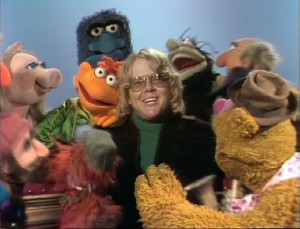
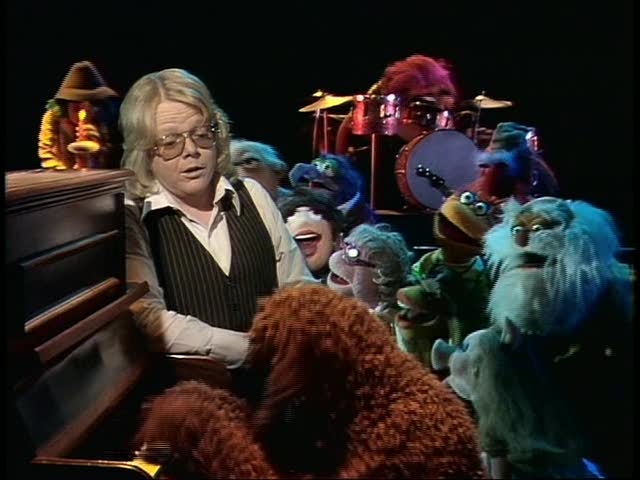
During the first season of The Muppet Show Paul Williams was the guest star in Episode 108. Paul had the chance to sing his songs "Sad Song" and "Old-Fashioned Love Song" (joined by two Muppet clones of himself). He also had the chance to show off his comic chops. My personal favorite is when Williams revels in finally getting to be the "tallest person on the show" only to be proven wrong when Sweetums, Thog, and one of the Mutations show up.

Williams later teamed up with Kenny Ascher to write the songs for The Muppet Movie. Easily the most famous song is "Rainbow Connection." Recently, in the documentary Paul Williams: Still Alive, a group of people were asked if they had heard of Paul Williams. They hadn't heard of him, but every last one of them knew "Rainbow Connection." Williams and Ascher made a rare joint appearance on the television special The Muppets Go Hollywood. Williams also made a cameo in the movie as the piano player at the El Sleezo Café.

Drug and alcohol abuse would take its toll on Williams' life and career. He pretty much disappeared during the 1980s. However, as of today, he has been sober for over 22 years.
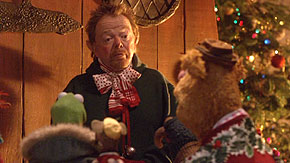
After a lengthy absence, Williams would once more work with the Muppets, writing the songs for The Muppet Christmas Carol in 1992. In an interview, Williams pointed out that the musical themes for "Scrooge" and "One More Sleep Till Christmas" are related. Williams' most recent work with the Muppets was in A Muppets Christmas: Letters to Santa. He wrote the songs as well as appearing in the role of Chief Elf.

A year ago, "Rainbow Connection" was featured in the movie The Muppets in the scene I like to call "The scene where all the 30 and 40-somethings in the audience are weeping and thinking about their childhoods."

Williams continues to record, perform and collaborate with other artists. I was rather surprised to find out he had written a song with The Scissor Sisters. Listening to the song "Almost Sorry," the song has a definite Paul Williams feel to it, while being surprisingly edgy for the man whose most famous songs were sung by Kermit the Frog and the Carpenters.

Most recently, Williams was featured in the documentary Paul Williams: Still Alive. Not your garden-variety documentary, filmmaker Stephen Kessler sets out to discover what happened to his childhood hero. It's a good exploration both of Williams' career, and how much he has grown up and evolved over the years. I know I'll never look at Emmet Otter or The Muppet Christmas Carol in quite the same way.

Paul Williams: Still Alive is currently available for download and viewing on iTunes.


The Muppet Mindset by Ryan Dosier, muppetmindset@gmail.com

Nov 27, 2012

Muppet Maestros: James Taylor

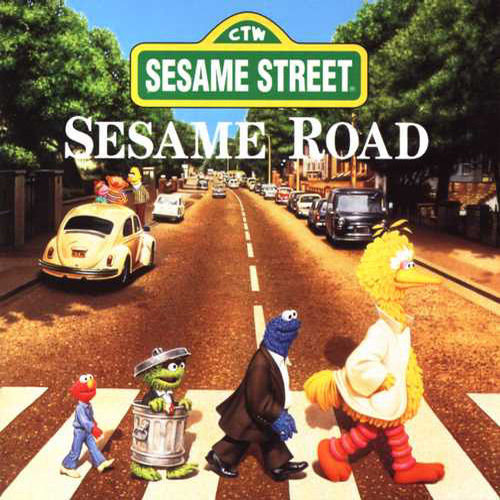
Hilarie Mukavitz - Of the large number of singer-songwriters that have appeared on Sesame Street over the years, one of the most memorable is James Taylor. For those of us watching Sesame Street in the late 1970s and early 1980s, our first introduction to James Taylor was on the Sesame Street set, serenading Oscar and leading a sing-along of screaming little kids.

Born to a wealthy family in Massachusetts, the Taylor family moved North Carolina in 1951. The second of five children, most of the Taylor siblings showed musical talent. Taylor's father Isaac was a doctor, and was frequently absent on work-related business, including a two year expedition to the South Pole.

Taylor's first real success as a musician was when he moved to England in the late 1960s. Paul McCartney was impressed by a recording he heard of Taylor, and even more impressed when he heard Taylor live. James Taylor became the first American to be signed to Apple Records. Taylor's song "Something in the Way She Moves" was part of the inspiration for George Harrison's "Something." Harrison sang backing vocals and McCartney played bass on Taylor's "Carolina In My Mind." Taylor had a series of highly successful albums in the early 1970s. Although the biggest strength of Taylor's songs is that they sound timeless.

James Taylor recorded three segments for Sesame Street in 1979 and 1980. Probably the most famous is the song "Jellyman Kelly." Pretty appropriate choice for Sesame Street, as the lyrics were inspired by a poem that his five year old Sally wrote. There also are just not enough pop songs that feature the tuba. Although as a child I found this segment offensive. I repeatedly complained to my mother that they should have had ME come sing with James Taylor as I could sing better than those screaming kids. I didn't quite understand that the segment had been filmed years before, and Sesame Street didn't usually hire Wisconsin toddlers as back-up singers.

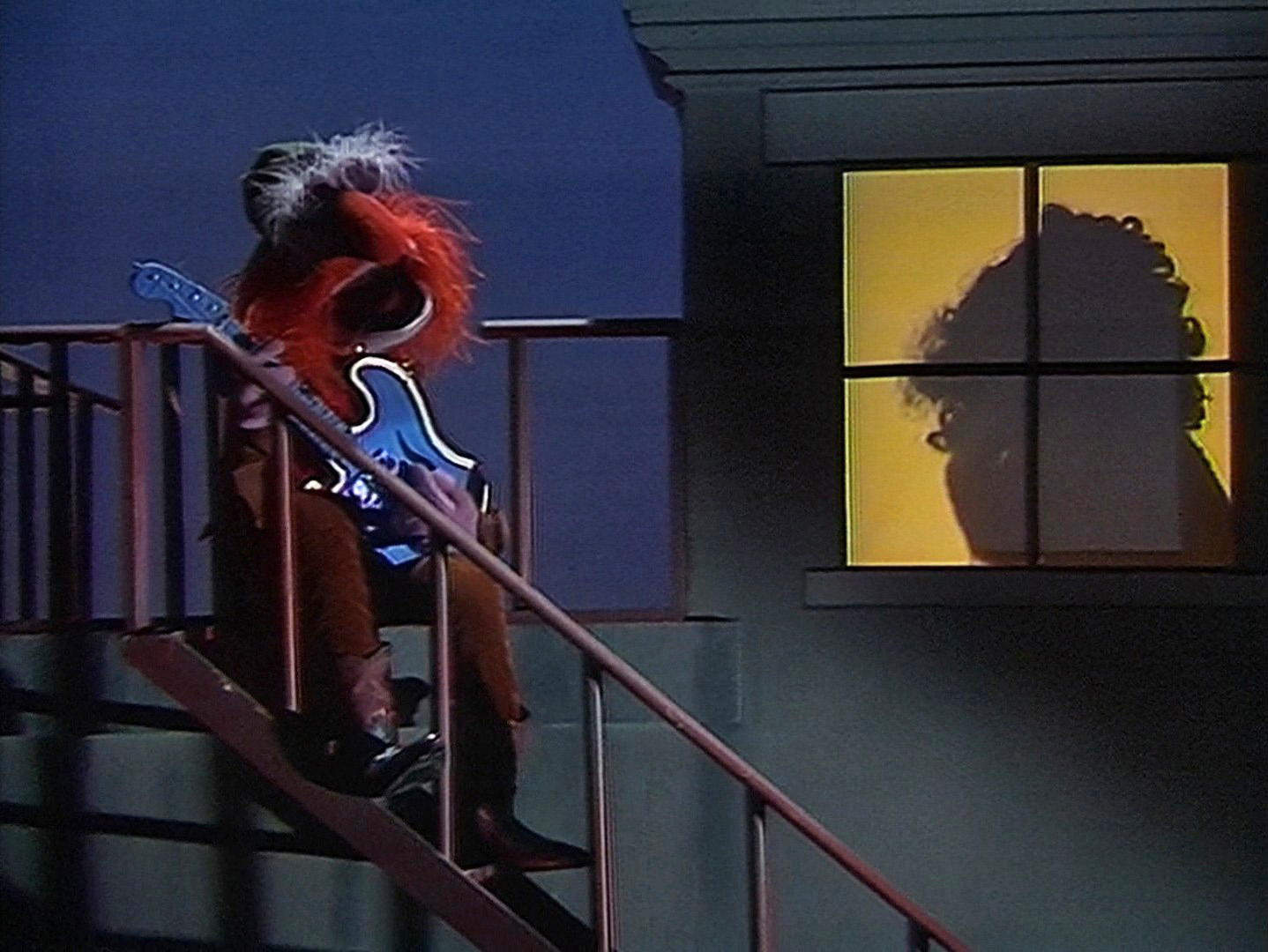
The other two segments were filmed on the rooftop set. "Up On The Roof" was originally a hit for The Drifters in 1962, and one of several Carole King-penned songs that James Taylor recorded. Taylor is the sort of recording artist that can easily take a song originally made famous by somebody else and turn it into his own. The third segment, and easily my favorite, is a duet with James Taylor and Oscar the Grouch. Taylor starts to sing his song "Your Smiling Face" much to Oscar's chagrin. However when he changes the lyrics to "That Grouchy Face" Oscar gets considerably more enthused. I especially enjoy this because it is a chance to see James Taylor's sense of humor. With his pristine singing voice, and earnest song-writing style, that is one facet of his personality that frequently gets overlooked.

Taylor has continued to be a prolific songwriter to this day. He was inducted to the Rock and Roll Hall of Fame in 2000. Although for me, my favorite James Taylor moments will always be when that wry sense of humor comes out. In 1994, Taylor was a guest voice in The Simpsons episode "Deep Space Homer." In 1995, collaborating with fellow Muppet Maestro Randy Newman, Taylor played "Lord" in "Randy Newman's Faust." He's clearly having a good time making fun of his own image such on this song "Relax, Enjoy Yourself." I would also highly recommend the James Taylor interview on the Elvis Costello program "Spectacle." Taylor talks at length about his musical influences, and Taylor and Costello perform a few duets together.

Enjoy James Taylor's Sesame Street performances on our exclusive Muppet Mindset playlist!


The Muppet Mindset by Ryan Dosier, muppetmindset@gmail.com

Nov 13, 2012

Muppet Maestros: Madeline Kahn

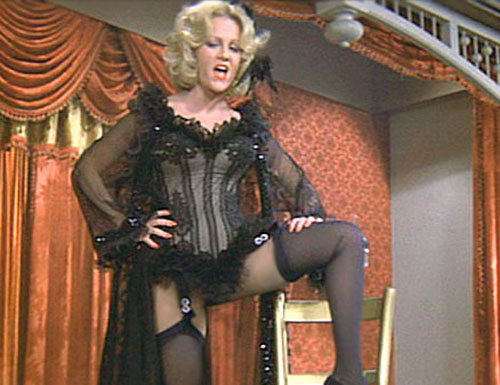
Hilarie Mukavitz - As a child, I had an experience of déjà vu as I watched Mel Brooks movies with my father. I knew I had seen the woman who played Lili von Shtupp somewhere before. Eventually I made the connection. "Oh yeah, Grover's friend!" Madeline Kahn is remembered mostly as a comedic actress, but she actually got her start as a singer.

She was born Madeline Wolfson in Boston on September 29, 1942. Following in the footsteps of her actress mother, Madeline was involved in theater in school and got a drama scholarship to go to Hofstra University. As a summer job, Madeline worked as a singing waitress. One customer requested that she learn the aria "Un Bel Di" from Madame Butterfly. "I just learned that one aria and a few others and then one thing led to another and I studied that, and I discovered that I could sing that, sort of, that way." Eventually she would sing "Glitter and Be Gay" from Candide for Leonard Bernstein's 50th birthday party, and the role of Musetta in La Boheme. Sadly there is no recording of Madeline as Musetta, but there is one of her in Candide which is included on our playlist.

Once she started performing professionally, Madeline changed her last name from Wolfson to Kahn, her mother's maiden name. Her first major role was as Ryan O'Neal's fiancée in What's Up Doc? She'd work again with O'Neal the following year as Trixie in the Oscar-winning Paper Moon. 

We really didn't get to see Kahn's comedic genius until she started working with Mel Brooks. Her first role was parodying Marlene Dietrich when she played Lili von Shtupp in Blazing Saddles. Madeline could pull off being totally gorgeous, and hysterically funny, without playing dumb. She was also a good team player. Mel Brooks initially wanted Madeline to play Inga in Young Frankenstein, a role that eventually went to Teri Garr. Madeline insisted she'd be much funnier in the smaller role of the fiancée.

Madeline Kahn's path crossed (possibly for the first time) with Jim Henson and the Muppets in 1976. Madeline was host of Saturday Night Live during the first (and only) season when the Muppets were featured regularly on the show.

Madeline hosted Episode 209 of The Muppet Show. Her unique brand of silliness and ability to relate well to the Muppets, made her a great fit. My favorite Madeline Kahn scene in the show is when she performed the "Happy Girl Meets a Monster" sketch with the Muppet named Doglion. The Happy Girl character is relentlessly cheerful and positive no matter how destructive and horrible the monster is, ultimately making the monster feel bad and making him shrink. The sketch had been done before on The Today Show, The Tonight Show, and The Ed Sullivan Show with two Muppets.

However, probably Madeline's most memorable Muppet moments were in a series of inserts she recorded for Sesame Street in 1978. Most were really brief such as saying the word "me" as it appears over her head and counting to 20 with her "twin." The highlight was when she sang "Sing After Me" with Grover. One thing I didn't notice when I was a child is that Grover is flirting with Madeline! The song also gave Miss Kahn the opportunity to show off her operatic soprano.

In 1979 Madeline made a cameo in The Muppet Movie as Telly Savalas' lisping girlfriend during the El Sleezo scene. In 1981 Madeline returned to Sesame Street in a scene where she and Richard Hunt (in a rare Muppet-less onscreen role) appear as birdwatchers who are seeking out Big Bird. In 1986 she appeared in the celebrity version of "Put Down the Duckie"while balancing a rubber duckie on top of her head. Her final appearance on Sesame Street was in 1994 as the Commissioner of Fun and Games.

Madeline Kahn continued to make movies throughout the 80s and 90s. Mostly comedic roles, but occasionally she'd do a dramatic role such as Martha Mitchell in Oliver Stone's Nixon. Her final role was as Bill Cosby's neighbor on his TV series Cosby. Madeline Kahn was diagnosed with ovarian cancer in 1999, and died in December of that year.

Madeline Kahn was an incredibly talented actress and singer. The Muppets gave her the opportunity to shine. Enjoy most of Madeline's Muppet Show and Sesame Street performances here on our Muppet Mindset playlist.


The Muppet Mindset by Ryan Dosier, muppetmindset@gmail.com

Sep 25, 2012

Great Muppet Song Covers

Hilarie Mukavitz - One of the signs that a musician is truly talented is when they perform a song written by somebody else, and their version is either better than the original or takes the song in a surprising direction that shows it in a completely different light. For example, the Jimi Hendrix version of "All Along the Watchtower" has so eclipsed the original Bob Dylan version, that even Bob Dylan now plays it in more of a Hendrix style. A more recent example would be the Johnny Cash version of "Hurt." Nobody expected a country music legend to connect so well with a Nine Inch Nails song.

Here are seven examples of great Muppet covers. Listen to the covers and the originals on our Muppet Mindset Playlist:

1. "Time in a Bottle" - Jim Croce originally released this song on his third album "You Don't Mess Around With Jim." Croce got the inspiration when he found out his wife Ingrid was expecting their first child. A year later, after he was killed in a plane crash, it was released as a single and reached the top of the charts. The song had an added poignancy with the knowledge that Croce's time was rapidly running out when he wrote it.

The Muppet version appeared on Episode 207 of The Muppet Show. Like many Muppet covers, they took the metaphor literally. Jim Henson played a Whatnot Muppet scientist who was experimenting with making a potion to make him younger. At first, the potion works, but by the end of the song, the character is the same old man that he was in the beginning. Part of what makes this performance work so well is not only did the scientist's appearance change, but Henson modified his voice with each transformation. It also stands out among Muppet Show sketches as what could have been interpreted in a very goofy jokey manner, had just as much weight and emotion as the original song.

2. "Six String Orchestra" - This is a lesser known Harry Chapin song from his 1974 album "Verities and Balderdash." Chapin is most famous for "Cats in the Cradle" and "Taxi." The original version of "Six String Orchestra" is clearly written and performed with tongue firmly lodged in cheek. It's about a would-be musician who is totally oblivious to his utter lack of talent. His girlfriend needs alcohol in order to listen and his guitar teacher has a nervous breakdown.

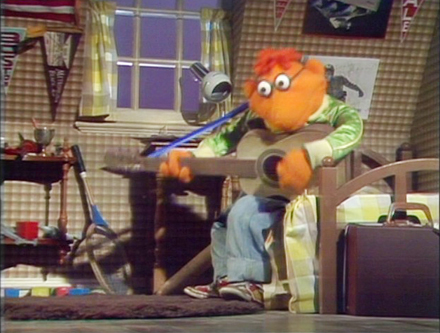
The Muppet Show version, on Episode 417, is much more innocent and wistful (and with some of the more sarcastic lyrics removed). Scooter, in an especially strong performance by Richard Hunt, sweetly sings about his dreams to be a musician. Unlike the original Chapin version, it seems that he may have a chance, with a little more practice. In the first refrain, Scooter is in his bedroom, joined by the ghostly figures of the Electric Mayhem. I especially love this visual because it gives off the double effect that either Scooter is playing with musicians in his imagination, or that he is playing with the ghosts of musicians that have gone before him. In the second refrain, Scooter is actually playing on stage with the Electric Mayhem, in a rare scene where we get to see everybody's feet. It ends with Scooter back alone in his bedroom, determined "Some day I'm gonna be a star."

3. "For What It's Worth" - This Stephen Stills penned song was originally recorded by his band Buffalo Springfield in December 1966. It became most famous as a protest song. However, it was actually written about the 1966 Sunset Strip Riots. The riots had absolutely nothing to do with Vietnam, just a bunch of people annoyed at the strict 10 PM curfew in the area. (Muppet Maestros the Monkees had their own take on the Sunset Strip riots with the Mike Nesmith song "The Daily Nightly.")

The Muppets performed "For What It's Worth" on Episode 221. The setting was a group of woodland creatures, with Jerry Nelson as a possum on the lead vocal, singing their own style of protest song against hunting. The second two verses were changed to go with the new theme, and the music arrangement was less rock and a lot more pastoral. The result was one of the more memorable performances on The Muppet Show and it was later featured on The Muppets: A Celebration of 30 Years.

4. "Halfway Down  the Stairs" - Believe it or not, the original performance of "Halfway Down the Stairs" was not by a little green frog, but by future host of The Muppet Show, Gene Kelly. In the mid 1940's Gene Kelly recorded some albums for children, including a series of songs based on poems by A.A. Milne. The Gene Kelly version isn't bad, after all this is a man whose most famous movies were musicals. However, I found it just didn't grab me as much as the performance of Jerry Nelson as Robin, which made it to the top 10 on the music charts in England. To do a cover of a cover, Jim Henson as Rowlf later performed the song on "Ol' Brown Ears Is Back."

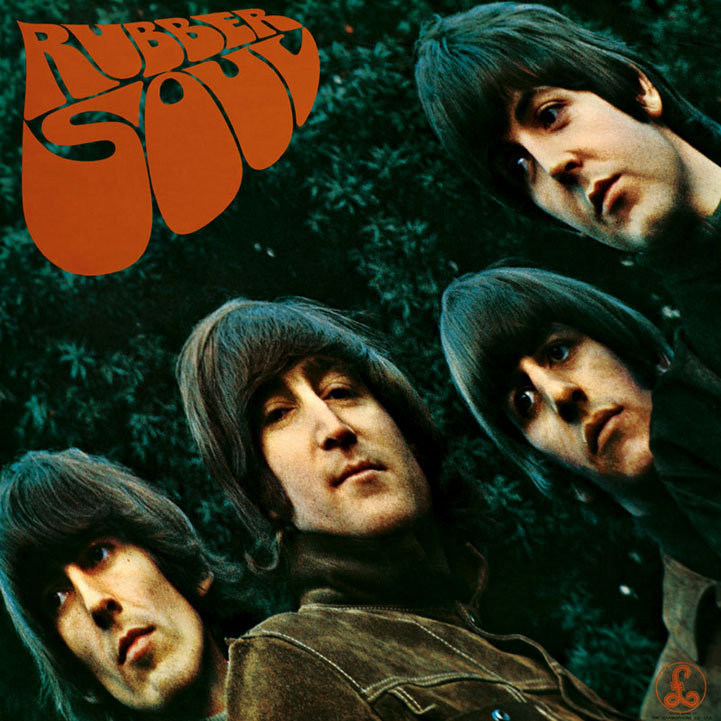
5. "I'm Looking Through You" - The original version from the Beatles Album "Rubber Soul" is a rare example of what I call "Angry McCartney." Happy go-lucky Paul tended to write more of the upbeat lyrics like the verses of "We Can Work It Out," "And I Love Her," while anger and depression tended to be more John Lennon's turf. However, by 1965 his writing was starting to get more interesting. It was Paul who suggested that "Norwegian Wood" should end with the main character burning the whole place down. He was also having some issues with Jane Asher, his girlfriend at the time, because she dared to do inconsiderate things like have a life and a career of her own. "I'm Looking Through You" was a way of venting his frustrations.

However, while the song has a very catchy tune and arrangement... the lyrics don't make much sense if you try to analyze them. I think the Muppet version actually makes more sense. The song was featured in a UK spot in Episode 119. The song was performed by three ghosts flying around the backstage of the Muppet Theater.

6. "Yes We Have No Bananas" - This was a very appropriate song for The Muppet Show as the show was so rooted in vaudeville and the music hall. Originally written in 1922 for the Broadway show "Make It Snappy," the song has been covered countless times. It was featured on The Muppet Show three times. The first was in Episode 208 as Marvin Suggs took a break from his Muppaphone and had his All-Food Glee Club sing it. Episode 402 had the Swedish Chef perform what I'm guessing is the only mock-Swedish rendition of the song. It made one more brief cameo in the Jean-Pierre Rampal Episode 510 when they accidentally gave Rampal fruit intead of a flute to play.

7. "You Mustn't Be Discouraged" - Most songs that the Muppets covered were pretty well known. They tended to use popular songs from the 1970's and previous eras. However, now and then they'd come up with something really obscure. I wouldn't have heard of this song if it weren't for The Muppet Show. The song was originally written for the 1964 Broadway Musical "Fade Out--Fade In". Carol Burnett and Tiger Haynes were doing a spoof of Shirley Temple and Bill "Bojangles" Robinson. The original version is entertaining, but doesn't hold up well to repeat listening. Burnett's Shirley Temple impression gets really old really fast.

The Muppet Show version in Episode 522 with Dave Goelz as Beauregard and Buddy Rich is a lot more pleasant on the ears. It also brought this pleasant surprise: Buddy Rich could SING! Usually, unless you're listening to The Monkees or the Carpenters... the drummer doesn't get a lot of lead vocals. Buddy Rich does just as well as other Muppet Show hosts who were better known for their singing. Plus, of course, the wicked humor in the song is a perfect fit for the Muppets.

Obviously I'm leaving quite a few great examples out of Muppet covers. I could do a series on just Floyd. So I will ask you, fellow Muppet Music Maniacs... what are YOUR favorite Muppet covers?


The Muppet Mindset by Ryan Dosier, muppetmindset@gmail.com

Sep 18, 2012

Muppet Maestros: The Beatles

Hilarie Mukavitz - A lot of the artists featured in this series have been lesser known. You might have heard of their work, but odds are you hadn't heard of them. I'm guessing unless you're reading this blog from Planet Koozebane, you've heard of the Beatles. What you may not know is while the Muppets did many covers and parodies of Beatles songs, the Beatles themselves, one in particular, were also fans of the Muppets.

On July 6, 1957 a 15 year old named Paul McCartney went to a church picnic. Local band "The Quarrymen" was playing the song "Come and Go With Me." What caught Paul's attention was the lead singer didn't know the actual lyrics to the song, so he was substituting words from old blues tunes. "Come on baby come and go with me, down down to the penitentiary." Afterwards Paul introduced himself to the singer, 16 year old John Lennon. Paul played "Twenty Flight Rock" and John was impressed that Paul got all of the difficult lyrics right. The miracle of that day is 16 year old John Lennon had enough ambition and self-confidence to get past his own ego, and invite McCartney, a considerably stronger musician, into the band. Paul would bring his younger friend from school, George Harrison, into the band. And in 1962 they brought in Ringo Starr on the drums.

If you want to hear the rest of THAT story I'd recommend renting "The Beatles Anthology." Fast forward to 1969. In September 1969 John Lennon announced that he wanted out of the band. Although the breakup would not be official until seven months later. 

John and Yoko Ono went to the United States, and John became obsessed with the brand new show Sesame Street. Sesame Street, particularly in its first season, would feature a lot of Beatles songs including: "Lucy in the Sky With Diamonds," "All Together Now," "Yellow Submarine," "Octupus' Garden," and "Help!" John's favorite part of the show was Cookie Monster. In his 1970 album, "Plastic Ono Band," on the song "Hold On" at one point you can hear him shout "COOKIE!" Ringo, who was the drummer for that song, later shouts "Cookie" himself on his song "Early 1970" about his relationships with the other ex-Beatles. Later, when John was interviewed by a man named Bert, he launched into a Bert and Ernie impression.

During the Muppets' year long stint on Saturday Night Live, the characters from the Land of Gorch sang parts of Beatles songs as part of the ongoing joke that Lorne Michaels was trying to book the Beatles on the show. The famous picture of George Harrison with a Kermit doll on his head is claimed to be taken from when he was on the Saturday Night Live set.

The Muppet Show had a plethora of Beatles covers: "Octopus' Garden" (a popular song with the Muppets, as they also did it on Sesame Street and The Ed Sullivan Show) featuring Robin, Kermit (in a bathing cap), Animal, and a Miss Piggy Mermaid, "While My Guitar Gently Weeps" with an especially strong Jerry Nelson vocal from Floyd, "In My Life" featuring Twiggy and a slide show of her career, "Good Day Sunshine" which morphed into "Dancing in the Dark" when the lights went out... and many many others. According to a Jerry Nelson interview, they tried to get Paul McCartney to host, but McCartney insisted that his band had to be there as well, and the cost proved to be too high.

Sesame Street has also done a number of Beatles parodies over the year, mostly with the parody band The Sesame Street Beetles. The first was "Letter B" by Chris Cerf and featuring Richard Hunt on vocals. I imagine there are a lot of you out there who have heard the song "Let It Be" and started singing "Letter B" along to it. That was followed by "Thinking of U" and "Hey Food", which had Cookie Monster on vocals. (I imagine John Lennon would have been especially delighted about that last one.) Sesame Street also had a parody called "A Little Yelp From My Friends."

In 2002, at Queen Elizabeth II's Golden Jubilee, Paul McCartney sang "Hey Jude" with a group of celebrities behind him, including Kermit the Frog. You can view that performance, as well as several of the Muppets' Beatle covers and parodies on our Muppet Mindset playlist:


The Muppet Mindset by Ryan Dosier, muppetmindset@gmail.com

Sep 2, 2012

Muppet Maestroes: Harry Nilsson

Hilarie Mukavitz - Sometimes being an armchair historian is like going to a party hosted by people in the same group of friends. You start to notice some of the same people showing up over and over again and wonder: "Hey, who's THAT guy? I want to go over and talk to him!"

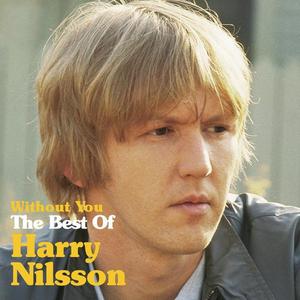
If you pay much attention to stories about popular music and even comedy in the late 60's to mid 1970's, the name Harry Nilsson keeps coming up. In the late 60's, when the Beatles were asked what their favorite group was, their response was "Nilsson."

Harry Nilsson was born in Brooklyn on June 15, 1941. In the early 60's he moved to Los Angeles and worked in a bank, while trying to promote his music career. Besides being a skilled song writer, Nilsson had a beautiful, almost angelic singing voice. Many of his recordings he is doing all the harmony parts himself, as well as a lot of the instrumentation.

His big break came when he met the Monkees. When they heard his songs they, pardon the pun, went bananas. They used "Cuddly Toy" on the show and "Daddy's Song" in their movie Head. It was after his work with the Monkees that Harry was able to quit his job at the bank and started getting phone calls from the Beatles. His fame increased when his song "Everybody's Talking" was featured in the 1968 film Midnight Cowboy.

One of his biggest hits was "One." Nilsson originally recorded it in 1966, but the Three Dog Night cover in 1969 was considerably more famous. However the funniest cover is when the Muppets and Jimmy Fallon spontaneously broke into song on Late Night with Jimmy Fallon.

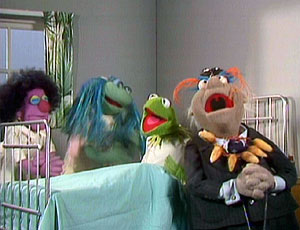
The Muppets also covered Nilsson's 1971 hit "Coconut" in a rather surreal number. Kermit is in a hospital room that gradually morphs into a jungle with the doctors and nurses as witch doctors.

Nilsson's alcoholism took a toll on his health, and his career. He was not heard from much in the 1980's, and died from complications of diabetes in 1994.  

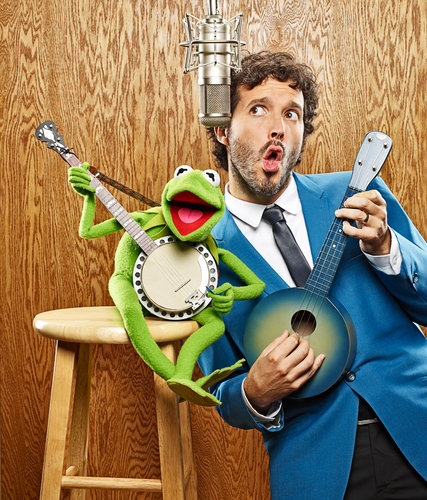
The most recent Muppet connection with Harry Nilsson was in the movie The Muppets. In an NPR interview, Bret McKenzie was asked which songs had inspired him in his composition of the (now Oscar-winning) "Man or Muppet." McKenzie discussed how he was aiming for a power ballad feel, specifically the Harry Nilsson song "Without You" and sings a few bars.

I haven't even begun to scratch the surface of the incredible range of Harry Nilsson's work. A great introduction is the documentary Who Is Harry Nilsson (And Why Is Everybody Talkin' 'Bout Him?). If you like the sort of pop music that was featured on The Muppet Show I'd highly recommend checking him out.


The Muppet Mindset by Ryan Dosier, muppetmindset@gmail.com

Mar 17, 2012

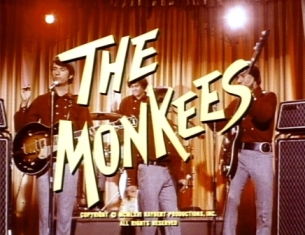
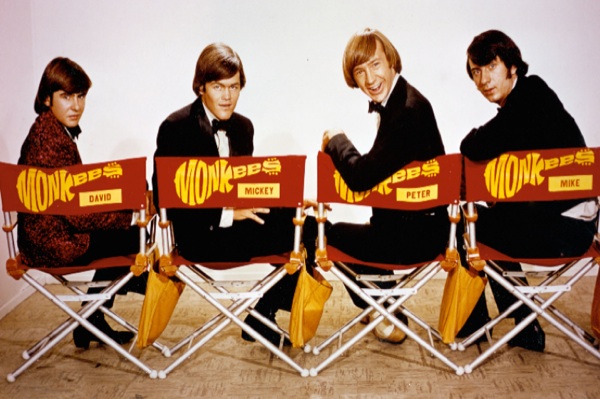
Muppet Maestros: The Monkees

Hilarie Mukavitz - My very first rock concert was the Monkees in 1987. My very tolerant father took my best friend and I. My most vivid memory, besides jumping up and down all night and screaming my little 9 year old head off, is Davy Jones shouting out "This is 1987!!" It doesn't seem like much, but it delighted me without measure that this group of people, that seemed to be permanently locked in the 60's... were now sharing the same time and space as me. There is a special place in our hearts for the people who affected us in our childhood. When I found out about Davy Jones's recent passing I realized I was mourning him the way I've mourned no other famous person since the death of Jim Henson. However, I was delighted to find out there is a connection between these two great loves of my childhood.

In the middle of the 1960's many people were trying to find a way to profit off of the success of the Beatles. Producers Bob Rafaelson and Bert Schneider wanted to create a TV show based on the Beatles movie "A Hard Day's Night." The premise was going to be a struggling band in California, with a similar style of Hard Day's Night style humor... except they would also have the group sing songs on the show. They had auditions to try and find four guys that would fit the bill.

One of the thousands of auditions to be rejected was Paul Williams. Another rejectee was Stephen Stills. Stills had bad teeth and was balding, and the producers didn't have the money to fix that. So Stills recommended a friend of his, folk singer Peter Tork. Besides being the strongest instrumentalist in the band, Tork would also compose "For Pete's Sake" which would become the closing theme song in the 2nd season. Manchester native Davy Jones came to the Monkees by way of Broadway. He'd been nominated for a Tony for his work as the Artful Dodger in "Oliver." He sang a song from the show on The Ed Sullivan Show in February 9, 1964... the same night that the Beatles first appeared on the show. Micky Dolenz had already had some success on TV as a child actor. In the 1950's, under the name "Mickey Braddock," he played the leading role in "Circus Boy." Texan Michael Nesmith had already worked in a variety of genres including rock, folk and country. He was the most prolific song-writer of the Monkees. He wrote Linda Ronstadt's first hit, "Different Drum." He also wrote multiple songs for the Monkees including: "Papa Gene's Blues," "Sunny Girlfriend," "The Girl That I Knew Somewhere," and "Nine Times Blue."

Because of the Beatles, by 1965 and 1966 the majority of bands were trying to use songs that they had written themselves. This left a plethora of studio songwriters with very little to do. This meant there were some incredibly talented songwriters available for the project. A partial list of the songwriters and their songs include Gerry Goffin and Carole King with "Pleasant Valley Sunday" and "Porpoise Song," Neil Diamond wrote "I'm a Believer" and "A Little Bit Me A Little Bit You," Tommy Boyce and Bobby Hart penned "The Monkees Theme Song" and "Valleri," and Harry Nilsson wrote "Cuddly Toy."  

The four Monkees had a clear on-camera chemistry. However, Schneider and Rafaelson knew for the comedic style they wanted, the Monkees would need some additional training. They hired James Frawley to provide improv training. Frawley would direct 28 of the 58 Monkees episodes. He made a couple of onscreen cameos and also did a lot of voiceover work for the show.

The combination of the improvisational acting, and the quick edits (which were very innovative at the time) made for great comedy. The first season of the show won an Emmy. In multiple interviews I've heard about the Monkees the term "capturing lightning in a bottle" keeps coming up. The humor was anarchic, but the show at its core also had a lot of heart and a very innocent quality. The characters, between the famous "Monkee romps," always had each others best interest at heart. Probably the best example of this would be the Frawley-directed episode "The Devil and Peter Tork" which can be seen on YouTube. The Monkees TV show went off the air in 1968. That same year they released the movie "Head" which was pretty much designed to destroy what was left of the Monkees. It's nothing like the TV show. It's a pretty trippy movie that tries to deconstruct the Monkees image. In other words, it's a movie that only could have happened in the 1960's.  

Davy Jones found a variety of stage, TV and musical ways to perform, most famously being featured in an episode of the Brady Bunch. Micky Dolenz also found a variety of work including quite a bit of directing for television and cartoon voice work. Peter Tork and Michael Nesmith both continued with music. Jones, Dolenz, and Tork all would periodically reunite over the years for reunion concerts. All four Monkees reunited in 1997 to create the album "Justus."

However, for you Muppet maniacs, the most interesting player in this story is James Frawley. In the late 1970's he was approached by Jim Henson. Henson wanted to create the first Muppet movie, and was looking for someone to help with the transition. This would be the first time that the Muppets had been filmed outside instead of in a TV studio. Henson enjoyed Frawley's work with "The Monkees" and also thought that his background with improvisational comedy would be useful. Thus, Jim Frawley became the director of The Muppet Movie and can be seen in a cameo as a waiter in the El Sleezo Cafe.

20 years later, a couple of other Monkees connections would be made on Muppets Tonight. There were the "Benedictine Monkees," Micky Dolenz making a cameo and singing "I'm a Believer" with Bobo. Pretty appropriate as, out of all the Monkees, Micky seems to actually have some Muppet DNA.

And to wrap this up... just imagine me doing a Micky Dolenz DJ voice. This is Muppet and Monkee maniac Miss Mukavitz signing off another Muppet Maestros!


The Muppet Mindset by Ryan Dosier, muppetmindset@gmail.com
The Muppet Whatnot Workshop-Only Available at FAO.com
The Muppet Whatnot Workshop-Only Available at FAO.combanner